Ninety Day Reflection
For every amazing experience I have here, it’s paired with one that makes me question everything about my life and how I’ve operated up to this point.
I think that’s the point.
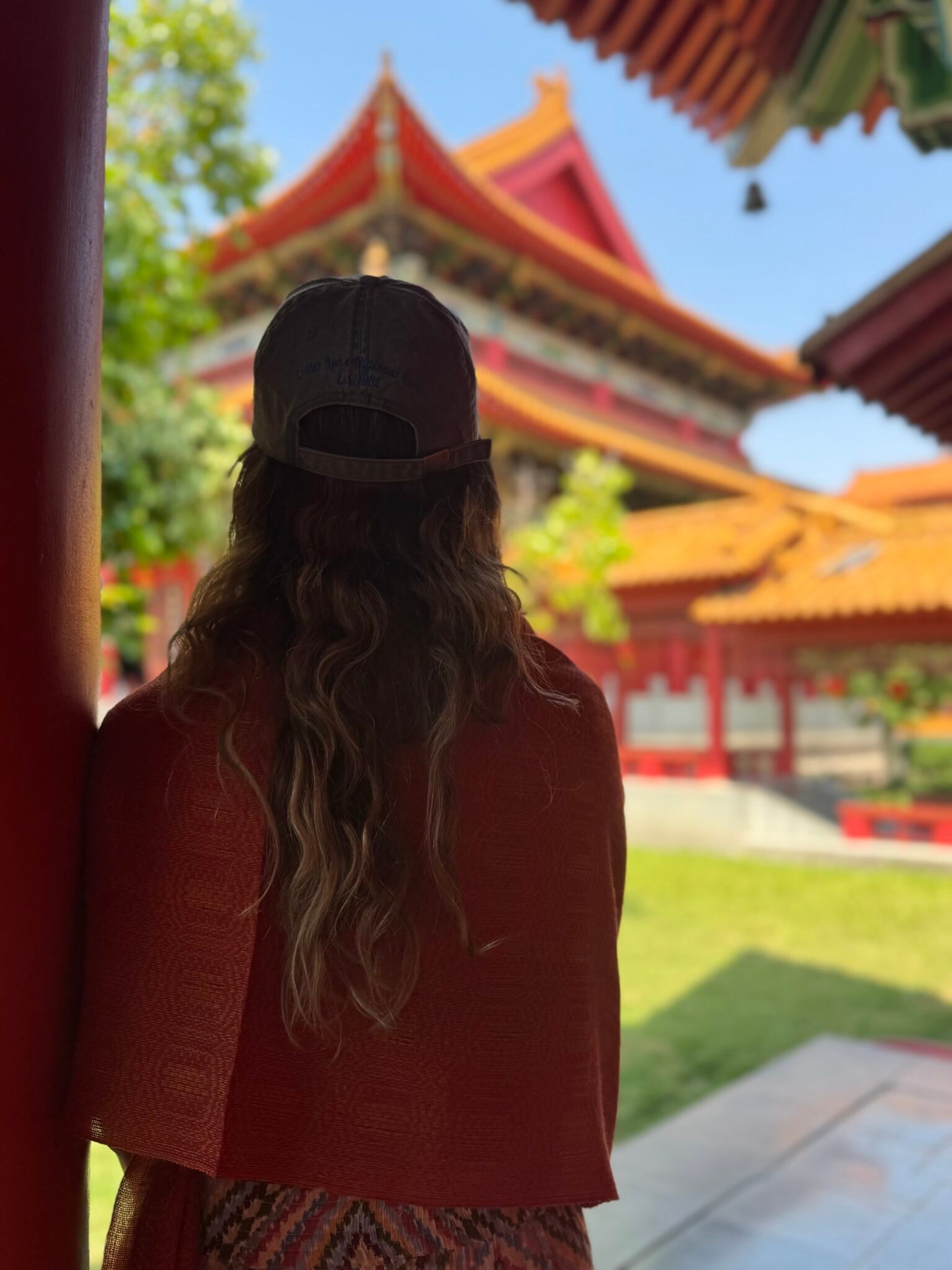
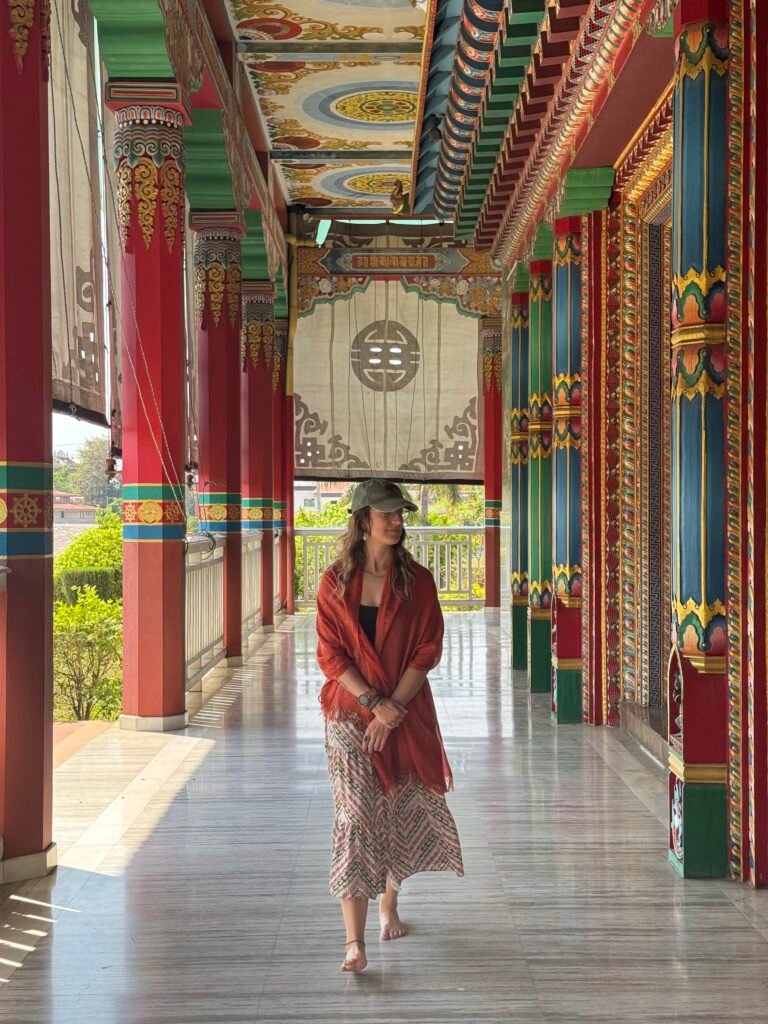
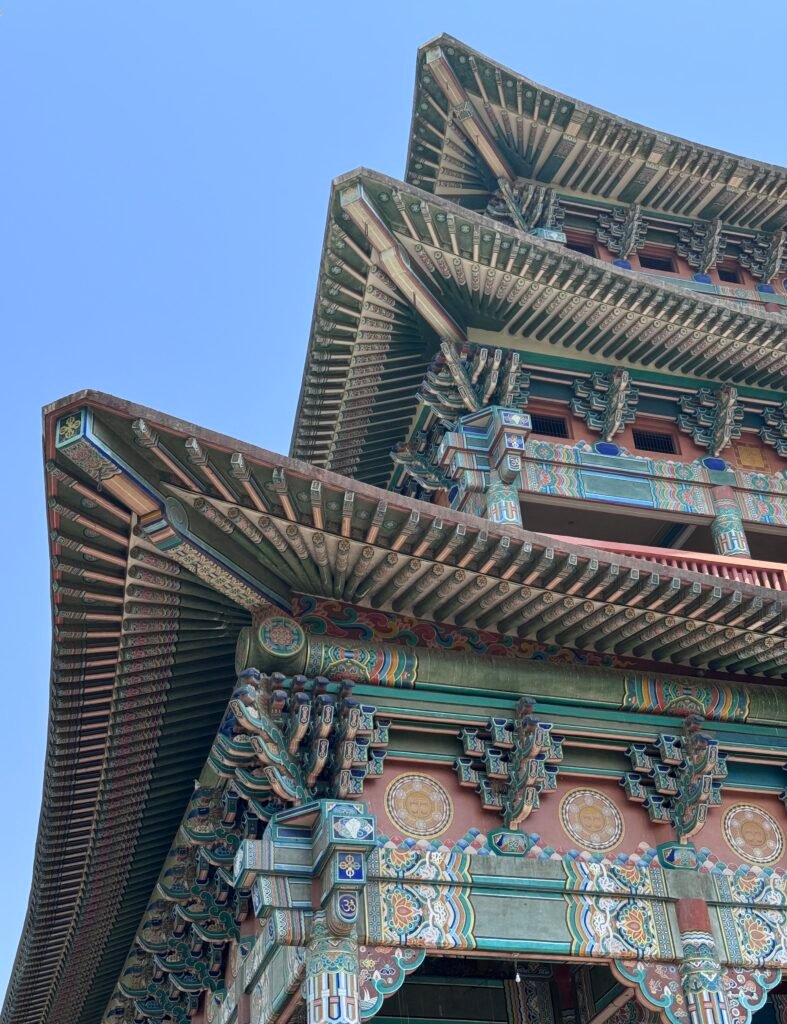
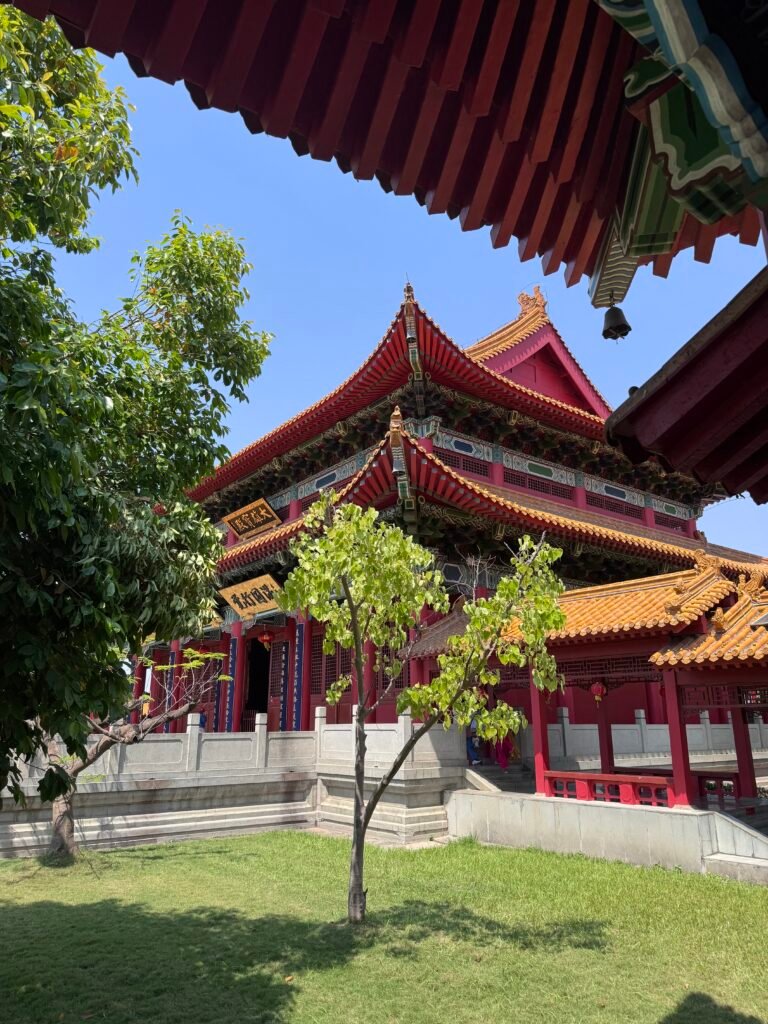
Last week, my partner and I traveled to Lumbini: the birthplace of Buddha. This city’s about 15 miles from the Indian border, and beyond the main three-by-one mile square that is home to several monasteries from different countries around the world, there is not much to do.
Hours from Pokhara, Lumbini does not serve as a central tourist hub, so the amenities are far and few in between. Much of the city lay undeveloped, projects unfinished due to corruption, lack of funding, and a multitude of other reasons. And then – bam: you have a stunning monastery, intricately painted with bright colors and various scenes that depict different timelines across Buddhism.
Like most of what I’ve come to find about Nepal, the effect is jarring.
Lumbini is a holy place, one of the holiest in the country due to it being where the Buddha was born, and I could feel that in each monastery’s quiet halls. I enjoyed getting to visit and experience such rich, ancient culture. I feel small and a part of something universal when I visit a place like this.
The morning before we boarded a bus to head back to Pokhara, two young girls, who couldn’t have been older than twelve, each with a baby on their hip, approached us, hands outstretched, feet bare, asking for money and food. My heart sank at the sight of their dirty faces, the babies who wore no diapers. We declined their pleas and, I hate to admit this, turned around, doing our best to ignore them until they walked away.
On our way out of the bus park, I noted that they were huddled on the ground in front of a pasal, drinking tea. Good, I thought. Someone helped them.
Their faces remained in my mind the entire six-hour drive to Pokhara.
Unfortunately, it is a common tactic in places like Nepal for families to send their children out into the streets to beg for money or food, pandering especially to the tourists because we are easy targets.
Whether or not these girls had families to go back to, I’ll never know. I hope they do.
Seeing these young children in such a state made me angry. I’m still angry about it.
Angry that children in this world are begging in the streets when they should be receiving an education. Angry that these young girls have no say, no power in the matter because they are young. Angry that children in this world are exploited by their own families.
I am angry at myself, too. For how much I took for granted back in the US. For how much I take for granted on a daily basis. I spend a lot of precious energy complaining about things that really don’t matter. How can I conceivably complain about needing new clothes for a closet already stuffed full of them when a child across the street from me is begging for food? How can I complain about not making enough money when I am sitting here in Nepal with enough money to travel unconcerned for the foreseeable future?
On a larger scale, how can I complain about my life when there are people here who don’t even have their basic needs met, will never receive an education, will never have the guarantee of a hot meal every day?
Most of my adult life has been spent chasing more or different because I thought having more of certain things or living in a different place or having a different job would fulfill me. Even writing this from a cafe in Nepal feels a little on the nose. I think I got it all wrong before, and it seems ridiculous to me that it took traveling seven thousand miles away to begin figuring that out. I’ve said that before in previous blogs and I’ll keep saying it.
Being angry at myself, or holding onto any kind of negative emotion, isn’t the best response to where I’m at in this journey, as it does nothing for me, but it’s what I am feeling now. Soon it will pass. Traveling requires a thick skin and a heck of a lot of inner peace to watch what’s unfolding around you and accept it without harboring it. Everything I’ve experienced in the last ninety days seems larger than life because it’s all so new and strange and, at times, otherworldly.
Eventually, I know the shock will wear off. But I hope I never forget how I felt the first time I saw a child begging on the streets, or when I found out that an average monthly salary here is roughly $200; the sight of babies bundled up in the cold because their homes have no interior heating; the fact that only twenty years ago, this country was ravaged by a civil war.
I hope I don’t forget the mental weariness of having to boil water for a hot shower, or the discomfort of being the only minority walking down the street.
I don’t want to forget these things because to forget them is to forget the lesson they are teaching me, which is that life is a true gift, and we can be happy, truly happy, with exactly what we have in this moment – interior heat or not; hot water or not; heaps of clothes or only a few. There is no formula for happiness, no single physical thing or job or person or dream fulfilled. Nothing we chase will bring that to us. Happiness is found in ourselves.
In the last few months, I’ve had several reminders of this, and I’ve written about it before. Each reminder is cemented deeper and deeper inside me. The universe knows what I need.
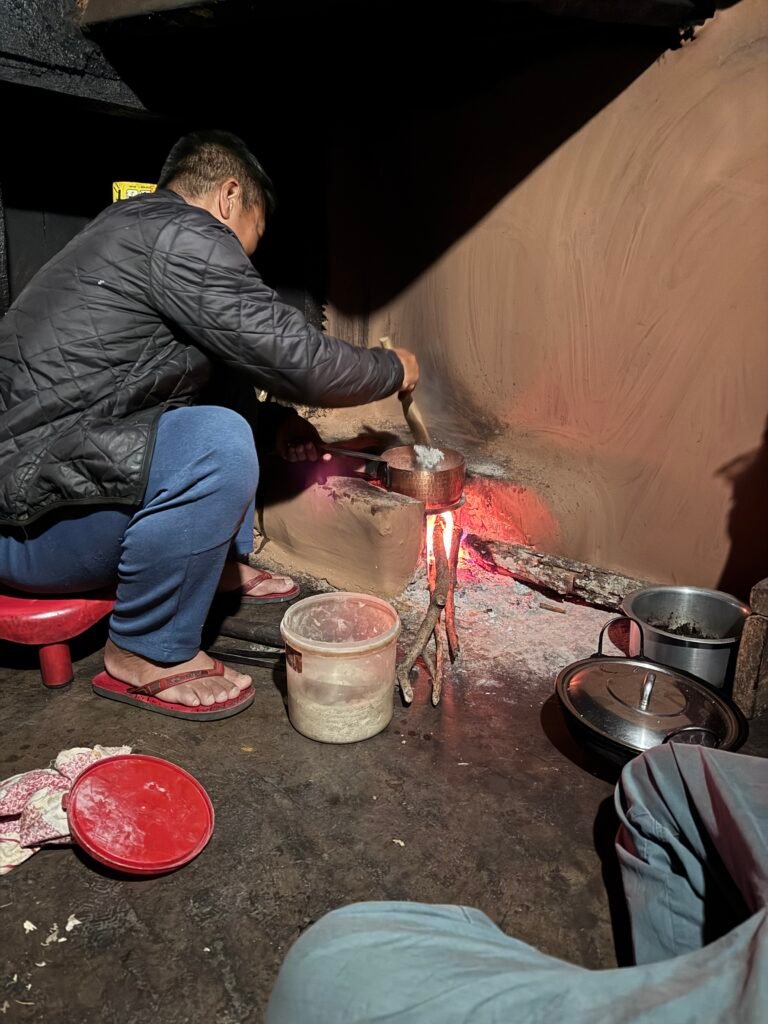
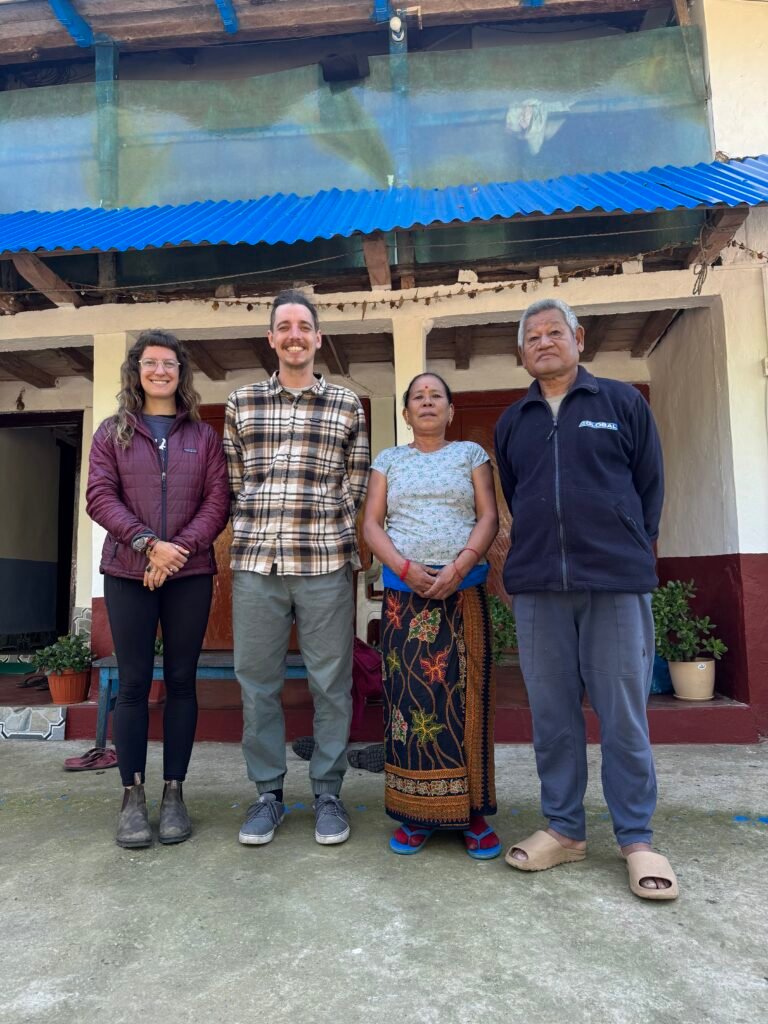
Before traveling to Lumbini, we stopped at a village called Bhaisegouda in Syangja so Hayden could visit the family he lived with during his two-year assignment in the Peace Corps. I was completely out of my element. Nobody spoke English. The kitchen was a small, cramped space with a fire on the floor and a small propane-filled stovetop, the walls blackened by years’ worth of soot and smoke accumulation. The home was uncomfortable and cold.
No running water, either. Every morning, each family in the village was allotted well water that came out of faucets in front of their homes for a half hour a day. That was it. And if you weren’t there during your designated timeframe? You would have to walk 15 minutes to the natural spring to collect water in bottles and containers, then carry it back to your house in a bucket placed in a basket strapped to your head. (Suddenly, having to boil hot water inside my apartment, with water from the tap, doesn’t seem so bad.)
So, each morning, Hayden’s Dai – the Nepali word for older brother – would turn on the faucet outside the house and fill up bucket after bucketful of water to be used for bathing, cooking and drinking. His wife spends her days cooking and cleaning and caring for the house, her husband, and her in-laws.
And that is their life.
They will likely never leave Nepal, or travel far outside their village. I am floored by this, saddened by this, partly because I am viewing it through my American lens. The lack of opportunity that I see might be total satisfaction to them. I don’t and won’t know because I’m unable to communicate with them. But if I was to guess, it’s not the exact way they want to spend their days.
To have the freedom to envision dreams for your life is an amazing privilege I didn’t understand until now.
Life is wild, you guys. We’re all out here doing our best, and everything we think and feel and experience is valid and important to our own narrative and how we move through our time in this world.
But if you can, take a minute to evaluate your life; to look up from your phone and observe the space around you. Read a book about problems going on in the world; watch a documentary. Do something to experience life beyond the existence you’ve boxed yourself into.
I took the extreme route and traveled to one of the least developed countries in the world, and that’s forced me to examine my life head on. When comforts are stripped away, when everything you know is gone, you have more space, a clearer sense of the world around you. But let me tell you, it’s been a hell of a time coming to terms with it all. I’m still grappling with it.
We’re doing a disservice to ourselves and others if we stay locked into only what we’re comfortable with. The world is big and there is a lot to see.
In the days following our trip to Lumbini, I thought about those little girls and the babies on their hips often, how life must be for them, the struggles they go through that I will never know, and how my own life looks measured up against theirs. Not that it’s a measuring contest, but like I’ve mentioned before, it’s important sometimes to place things side by side for perspective.
I think that’s what this all boils down to: perspective, and how by gaining new information or going through new experiences, you have the opportunity to form new insights about the world and about yourself, which helps to enrich your life and hopefully those around you.
I hope I continue to learn and figure out my place in this world. And that inner peace I mentioned earlier? I sure hope to keep leaning into that. Life will be much easier if I can.
Happiness is found in ourselves. So profound!!! So true.